Rules and permits
-
Rules and permits Rules and tariffs
Primarily to Serve a Large Load Customer: Indiana's Commission Approves a Utility's Storage and Solar Project
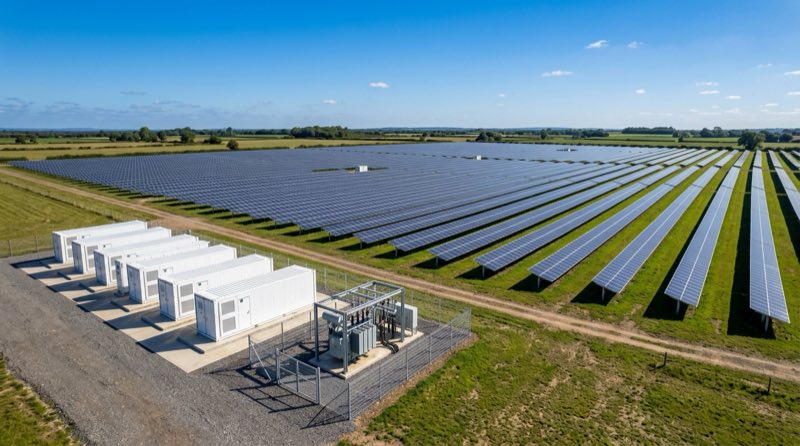
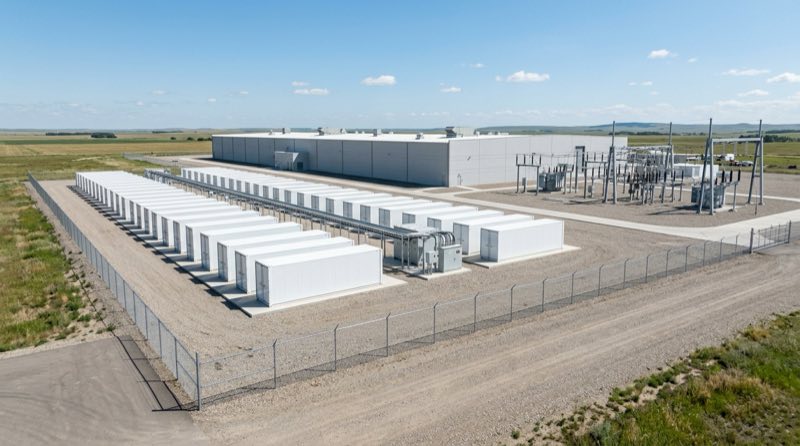
The Indiana Utility Regulatory Commission approved on October 7, 2026 a utility's project of two stand-alone battery systems and a hybrid solar plus storage resource, proposed "primarily to provide the requisite incremental energy and capacity" for a customer's planned data center site.
-
Rules and permits Rules and tariffs
Who Would Be Curtailed First: The Pennsylvania Commission's Proposal for Certain Large New Loads
On October 1, 2026, Pennsylvania's utility commission proposed that certain large new loads that have not secured sufficient new electric capacity be subject to curtailment before other customers when supply is tight. A formal comment period begins once the Tentative Order is published, and the commission anticipates considering a final order in January 2027.
-
Rules and permits Rules and tariffs
A Deadline for NERC's Own Plan: FERC's Order on Computational Loads
On July 16, 2026, the federal energy regulator directed NERC to file new or modified reliability standards for computational loads by December 31, 2026, the date NERC had already said it intended to meet. The order says NERC must address the concerns with greater certainty than voluntary timelines provide.
-
A Proposed Decision and a Comment Period: The Pennsylvania DEP on a Data Center's Generator Engines
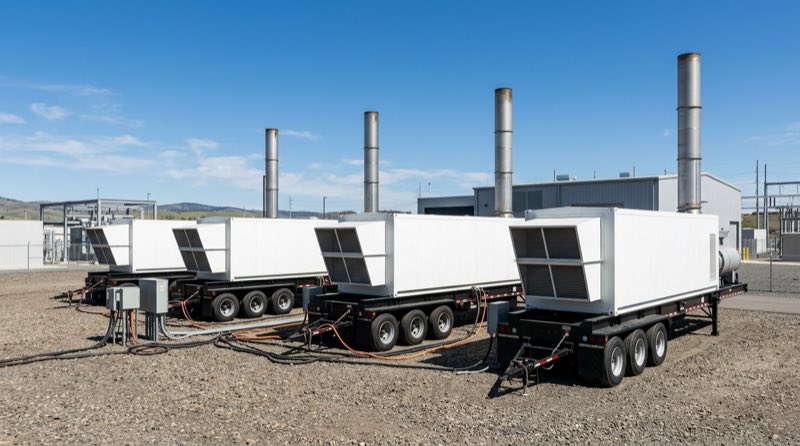
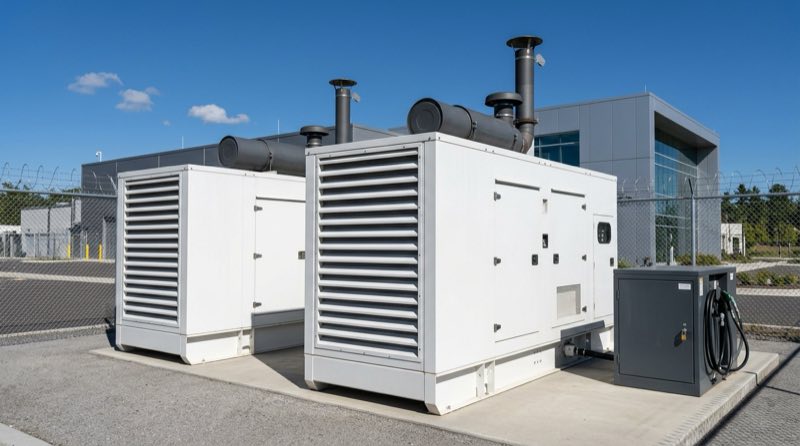
The Pennsylvania Department of Environmental Protection's release of July 13, 2026 announces a community meeting on a proposed air quality plan approval for a data center in Bucks County. The application is for generator engines that, in the release's words, "will only provide backup electricity" in a utility interruption, and serve limited testing and maintenance.
-
If Finalized as Proposed: EPA Proposes to Redefine "Begin Actual Construction"
On May 11, 2026, EPA proposed to redefine "Begin Actual Construction" in its air permitting rules. "If finalized as proposed," the release says, "Americans will be able to start building non-emitting components or structures for essential power generation, data centers, and manufacturing" before obtaining a major New Source Review permit.
-
Rules and permits Rules and tariffs
A Longer Minimum Term and a Lower Threshold: The Wisconsin Commission's Preliminary Decision on a Very Large Customer Tariff
On April 24, 2026, the Public Service Commission of Wisconsin said it had made major modifications to one utility's tariff for very large customers. Its release is an overview of preliminary decisions, and the final order, it says, is the official action.
-
Rules and permits Rules and tariffs
Must Foot the Bill: Michigan's Commission Approves Battery Storage for a Data Center
On March 27, 2026, Michigan's Public Service Commission approved six energy storage projects for a utility, three of them to serve a data center whose developer must pay to develop storage that matches the data center's contracted demand. The same release recorded that the commission denied petitions for rehearing on the data center's special contracts.
-
When a Temporary Turbine Stops Being Temporary: EPA's Final Standards for Stationary Combustion Turbines
EPA finalized amendments to its performance standards for stationary combustion turbines on January 9, 2026. Its fact sheet describes size classes, an added control for new large turbines with high utilization rates, and a subcategory for temporary turbines with a 24-month limit on what counts as temporary.
-
Rules and permits Rules and tariffs
Protections for Existing Customers: The Michigan Commission's Issue Brief on Data Centers and Other Large Loads
An issue brief of the Michigan Public Service Commission, dated November 6, 2025, says an order on one utility's tariff establishes a minimum contract length, a minimum bill and an exit fee for data centers and other new very large load customers, and requires substantial collateral. The brief says it is not a substitute for the commission's orders.
-
Testimony on the Plan Approval Only: The Pennsylvania DEP's Release on a Hearing for Turbines at a Former Generating Station
On September 15, 2025, the Pennsylvania Department of Environmental Protection announced a combined public meeting and hearing on a draft air quality plan approval for turbines at a former generating station. It said it would receive only testimony specific to that plan approval, and that questions on other topics would not be discussed.
-
Rules and permits Rules and tariffs
Filed No Later Than March 31, 2025: Section 4905.311 of the Ohio Revised Code
A section of the Ohio Revised Code, effective August 14, 2025, allows an electric distribution utility to supply behind the meter electric generation service, provided the facilities it intends to use were filed with the public utilities commission no later than March 31, 2025. It says which costs the utility shall not recover from retail customers who are not receiving that service.
-
May Not Be Subject to County or Municipal Zoning: West Virginia's 2025 Act on Certified High Impact Data Centers
West Virginia's act of 2025 on electric power created a program for high impact data centers, provides for a state liaison to assist them with matters "including, but not limited to site selection and permitting," and says certified projects "may not be subject to" county or municipal zoning.
-
If All of the Following Conditions Are Met: EPA's Fact Sheet on Backup Generators and Grid Reliability
An EPA fact sheet dated May 1, 2025, says emergency engines can operate for a limited number of hours a year in non-emergency situations, to supply power as part of a financial arrangement with another entity, if all of a set of conditions are met. Its example is a regulatory interpretation that a utility requested for a demand response program.