The federal regulator has given NERC a deadline, and it names data centers in its reason. On July 16, 2026, FERC, the Federal Energy Regulatory Commission, issued this order in Docket No. RD26-7-000. It is addressed to NERC, the North American Electric Reliability Corporation, which the order calls "the Commission-certified Electric Reliability Organization." It directs NERC to file new or modified reliability standards for computational loads by December 31, 2026, and it points to "the unprecedented load growth driven by data centers."
Computational load is the order's term for the kind of load at issue. A footnote reports that NERC's standard authorization request proposes to define it as "load comprised of power demand from information technology equipment, such as servers, storage, and networking hardware." The order also says why the matter is urgent. It agrees with NERC on "the urgent need for action," and it says "NERC has documented multiple grid disturbances in which computational loads have caused or contributed to the instability of the Bulk-Power System."
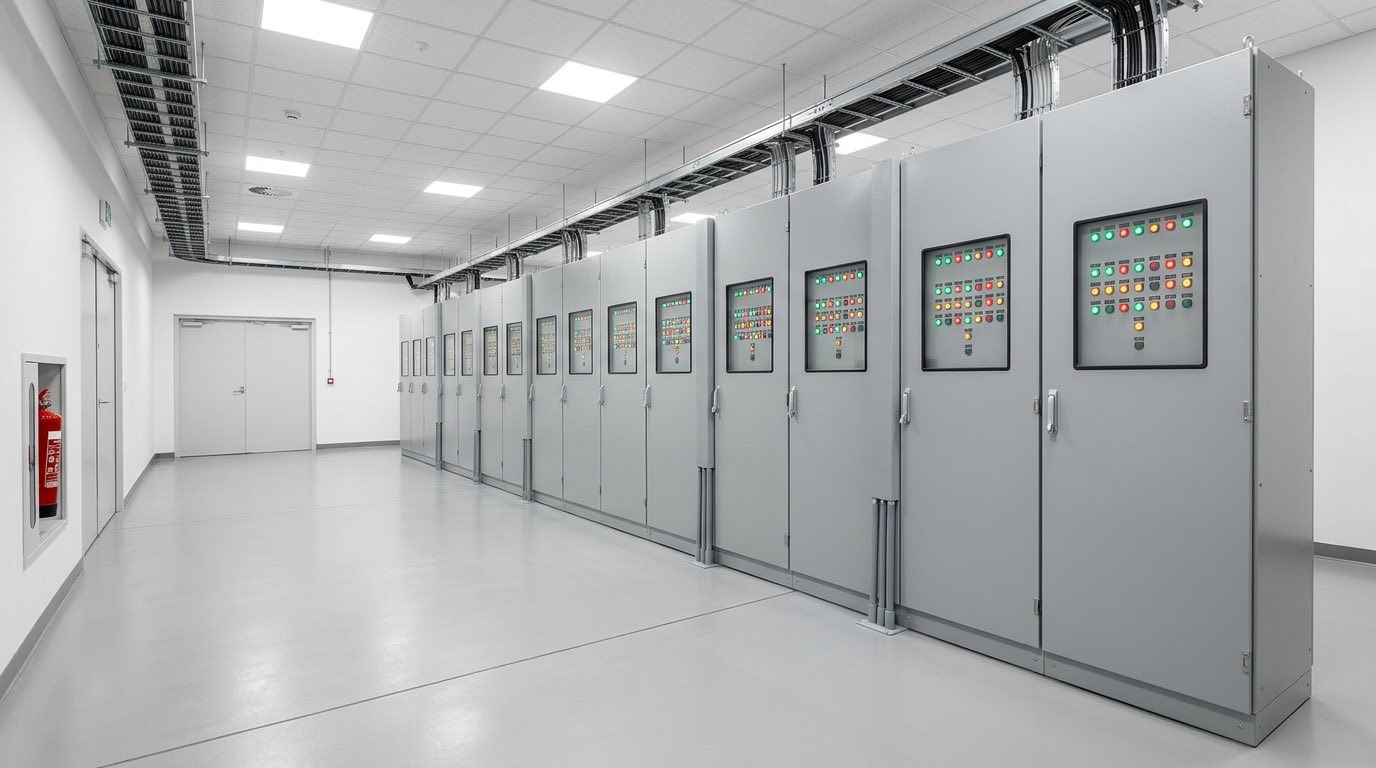
What NERC must file
The order gives NERC three tasks. By December 31, 2026, it is to file one or more new or modified reliability standards on the risks that integrating computational loads poses to the Bulk-Power System. By the same date, the Commission expects revisions to NERC's Rules of Procedure, including registry criteria, so that computational load entities can be registered. And by March 1, 2027, NERC is to submit "an informational filing containing a workplan" for the next steps toward further standards.
Registry criteria decide who answers to these standards. For a data center campus, which entity that would be is a question for its lender as much as for its operator.
The law behind it
The order's background describes the law behind such standards. Under the Federal Power Act, the Commission certifies an organization "to develop mandatory and enforceable Reliability Standards, subject to Commission review and approval," and "Once approved, the Reliability Standards are enforceable in the United States by the ERO, subject to Commission oversight, or by the Commission independently." Enforceable, once approved.
Why a directive
NERC had a plan already. Under its accelerated large load action plan, NERC "intends to file initial new or modified Reliability Standards, Glossary changes, and registry criteria revisions on or before December 31, 2026." The Commission supports that work, and still chose to direct it. "While we support and encourage NERC's activities to date, in light of the unprecedented load growth driven by data centers, it is imperative that NERC address the reliability concerns associated with computational loads in a timely manner and with greater certainty than provided by voluntary timelines." The date is the one NERC had set.
The order keeps NERC's own date and makes it a directive. A plan can slip; an order is the regulator's to enforce.
In phases
The work can come in parts. The order says NERC may "submit computational load Reliability Standards in phases," with initial "essential actions" standards first. It expects NERC to put first the near-term measures "capable of reducing identified reliability risks related to computational loads," while leaving room for later refinements as more experience is gained with large-load interconnections.
For the next phase it directs the workplan by March 1, 2027, and says how much it expects of it. "We recognize that both the nature of the computational load challenge and NERC's understanding of it continue to evolve and, as such, do not expect any submitted workplan to be fully comprehensive in its forecasting of future action."
Sources
- Federal Energy Regulatory Commission. Order Directing the North American Electric Reliability Corporation to File Reliability Standard(s) Pertaining to Computational Load Integration, Docket No. RD26-7-000, 196 FERC ¶ 61,031. 16 July 2026. regulator