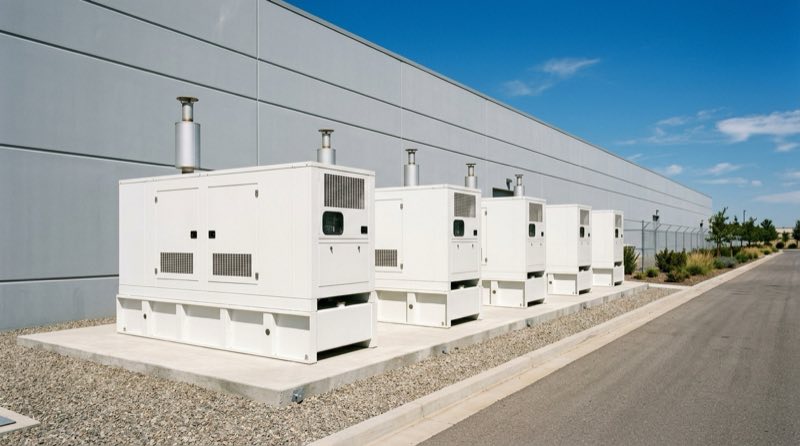
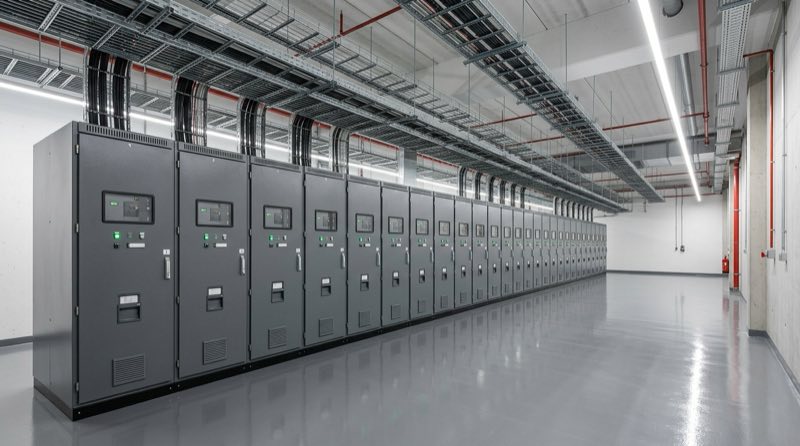
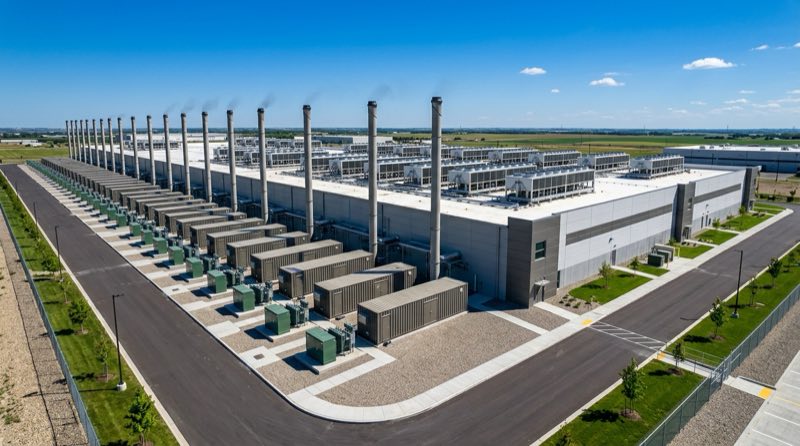
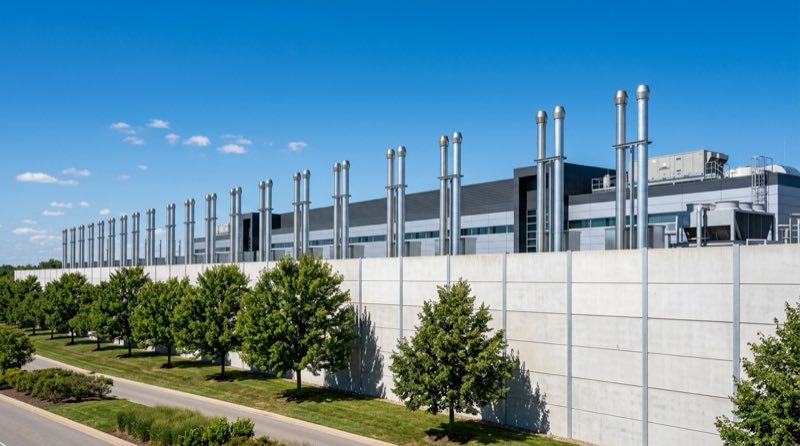
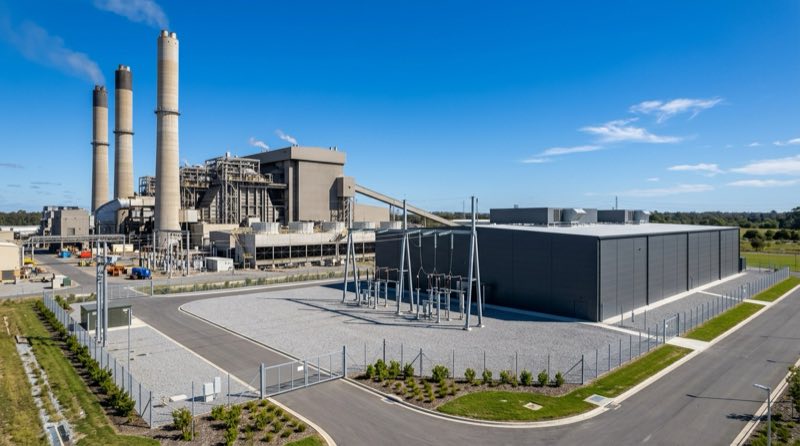
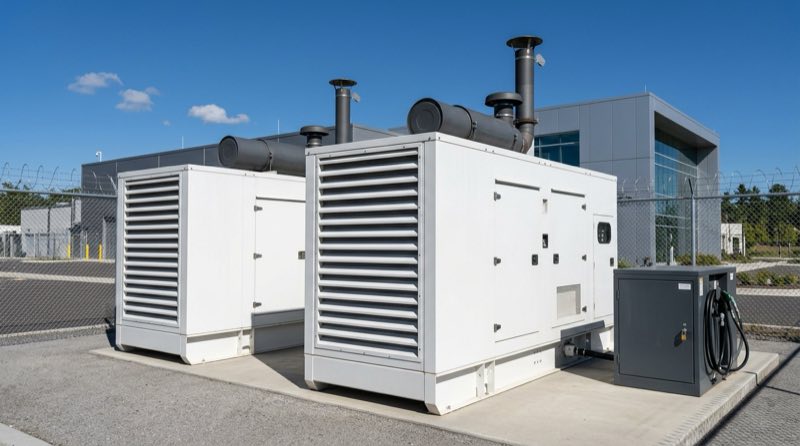
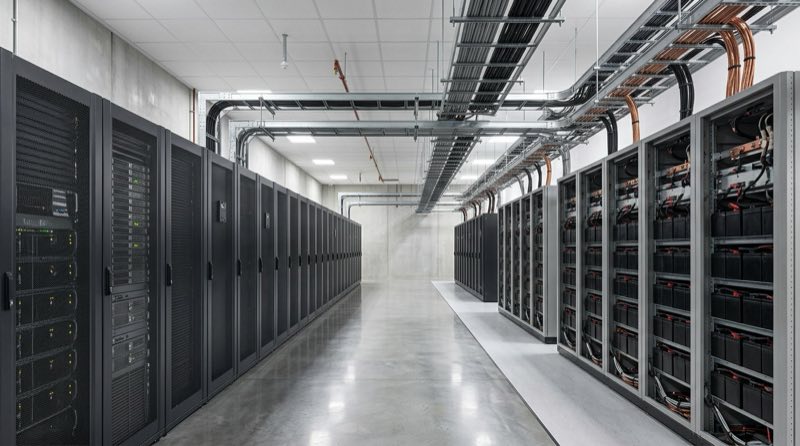
Backup generation
-
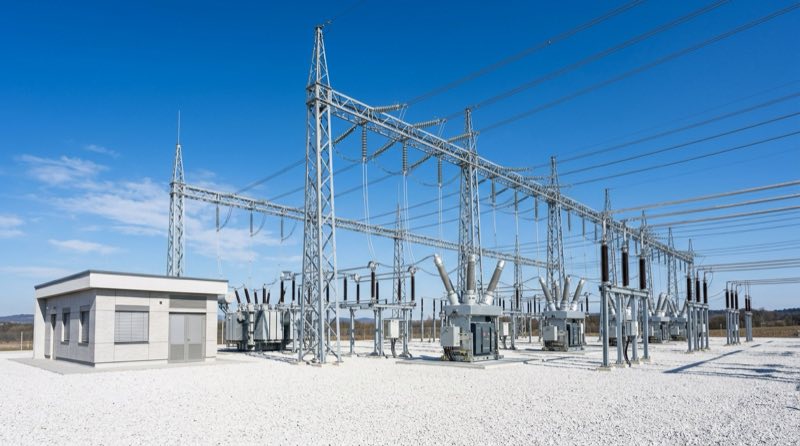
Grid interconnection Grid constraints
PJM Says the Reprieve of the Milder Seasons Used for Maintenance Is Not What It Used to Be
In an article of October 15, 2026, PJM says the "once-dependable reprieve" of the milder seasons used for maintenance "is not what it used to be," in part because most of the new, rapidly growing demand is from data centers and other energy-intensive Large Load customers, whose consumption "does not fluctuate significantly with the weather."
-
Behind the meter Building and running the plant
Google Cloud Says a Voltage Drop in the Utility's Feed, and the Breakers' Protective Action, Caused a Service Outage in One Zone
Google Cloud's incident report of July 25, 2026 names the root cause of an outage in its europe-west4-a zone as "a 3ms voltage drop in the power feed from the utility provider and subsequent utility breaker protective action."
-
Connected for More Than They Use: Data Centers in AEMO's 2026 Electricity Statement of Opportunities
The Australian Energy Market Operator's 2026 Electricity Statement of Opportunities says that, to date, data centers in the National Electricity Market "have been operating with a relatively flat load typically well below the maximum connection capacity." It also counts the projects proposed and canceled, and forecasts their consumption.
-
Backup Generation as a Last Resort: The Energy Department's Order No. 202-26-50 to PJM
The U.S. Department of Energy's Order No. 202-26-50 determines that a statutory emergency exists in the PJM region. It authorizes PJM to direct backup generation resources to operate as a last resort before declaring an EEA 3, or during one, and it says such a resource is not a capacity resource.
-
Loads That Leave the Grid: NERC's Reliability Insights on Large Computational Loads and Voltage Sensitivity
NERC's Reliability Insights of September 2026 describes large computational loads, data centers among them, that remove themselves from the grid when the voltage dips, in what it calls a familiar pattern. It reports changes by data centers that may have reduced the load lost in one event, and a load reduction in Virginia in July 2026 whose specifics are still being analyzed.
-
"Fault Cleared Properly": PJM Reviews Its Load Transfer Events
PJM's operational review of October 6 lists three dates on which load transferred to backup generation. The slide for each describes a fault on a transmission line and carries the same line: fault cleared properly.
-
"They Should Not Disconnect From the Grid": PJM's Account of the July 22 Load Transfer
On July 22, 2026, data centers in Virginia disconnected from the grid and switched to backup generation after a line fault. PJM's account of August 11 gives the sequence in two waves and what operators did, and reports that the first phase of new reliability standards will not address ride-through.
-
A Proposed Decision and a Comment Period: The Pennsylvania DEP on a Data Center's Generator Engines
The Pennsylvania Department of Environmental Protection's release of July 13, 2026 announces a community meeting on a proposed air quality plan approval for a data center in Bucks County. The application is for generator engines that, in the release's words, "will only provide backup electricity" in a utility interruption, and serve limited testing and maintenance.
-
Prior to Receiving a Request: NERC's Level 3 Alert on Computational Loads
On May 4, 2026, NERC sent the grid's planners, owners and operators a Level 3 alert on computational loads such as AI training, with seven essential actions and questions to answer by August 3. The alert says it "does not create a mandatory obligation to take the Essential Actions."
-
Grid interconnection Connecting large loads
Unless Approved by the Commission: The Texas Rule on Large Loads Co-Located With Existing Generation
A Texas rule filed on March 26, 2026 says an existing power plant registered with ERCOT may not net its output against a large load beside it unless the Public Utility Commission of Texas approves. ERCOT studies each arrangement, and the commission then approves it "with or without conditions," or denies it.
-
If All of the Following Conditions Are Met: EPA's Fact Sheet on Backup Generators and Grid Reliability
An EPA fact sheet dated May 1, 2025, says emergency engines can operate for a limited number of hours a year in non-emergency situations, to supply power as part of a financial arrangement with another entity, if all of a set of conditions are met. Its example is a regulatory interpretation that a utility requested for a demand response program.
-
Load That Did Not Return for Hours: NERC's Incident Review of a Data Center Load Loss
On July 10, 2024, faults on a transmission line in the Eastern Interconnection were cleared properly, and data centers in the area moved their load to backup power. NERC's incident review says most of the sustained load reduction came with the third voltage depression, and that this load did not return for hours.