In the spring and summer of 2026, hot weather pushed demand for electricity up. The Energy Department issued a series of emergency orders to keep firm load from being cut. The EPA has said how its engine rules treat backup engines run under those orders.
The answer is in an alert on the EPA's page Clean Air Act Resources for Data Centers, last updated on October 1, 2026. The rest of the page gathers Clean Air Act rules, guidance and tools relevant for data centers. Parts of the page follow, not the whole.
What the Orders Asked
The department acted under section 202(c) of the Federal Power Act, the alert says. Its orders directed Regional Transmission Organizations and other energy providers to take certain actions. That was during periods of high demand, due to extremely hot weather. The aim was to prevent firm load interruption, which could lead to harm to public health and safety.
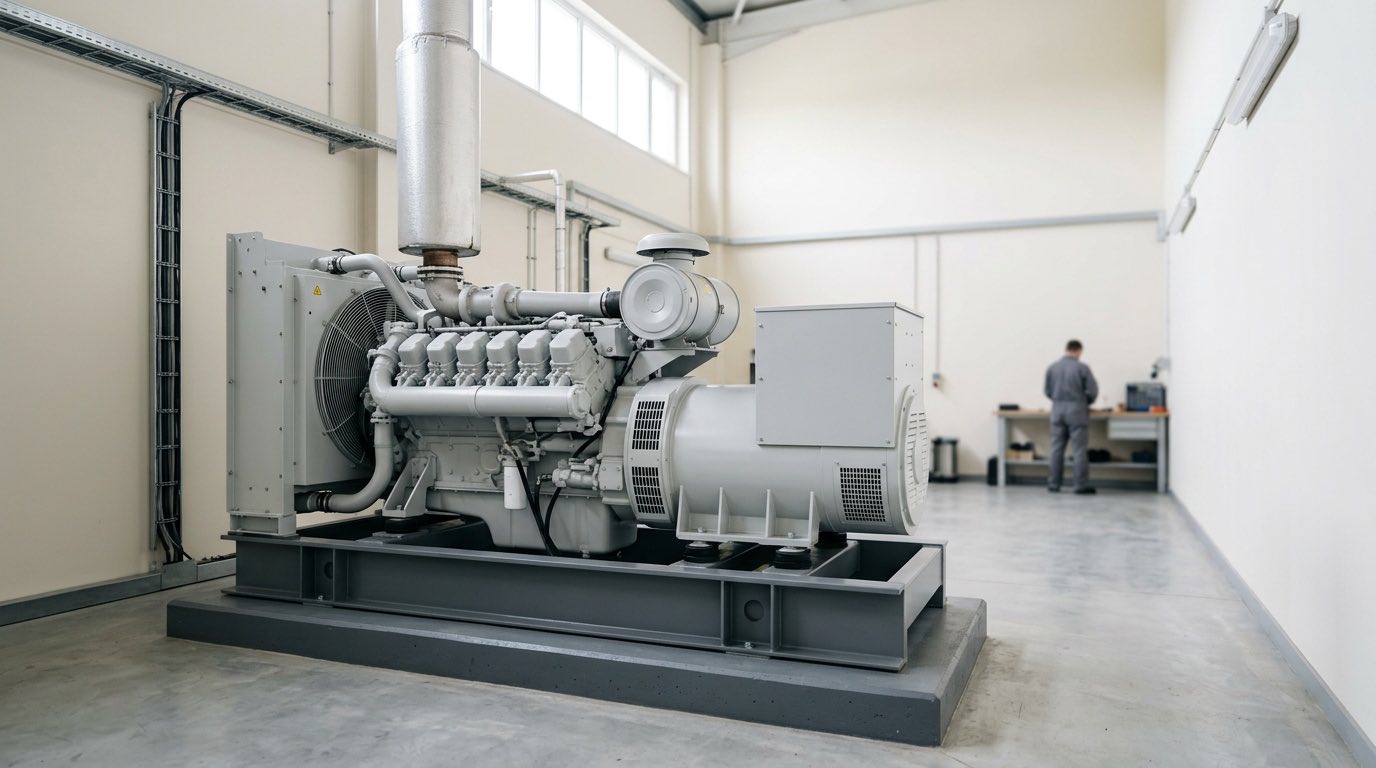
In these orders, the alert says, the department directed certain entities to maximize the output of specified generating units. It also directed them, or instead, to require data centers and other large load customers to run their backup generation. That backup generation, such as stationary engines, was to run as a last resort before declaring an Energy Emergency Alert Level 3.
How the EPA Counts the Hours
The alert covers stationary emergency engines subject to certain EPA rules. They are its hazardous air pollutant standards for stationary reciprocating engines, and its performance standards for stationary compression ignition and spark ignition engines. For those engines, the EPA considers running under such orders to be running in an emergency situation. So there is no limit on use of the emergency stationary engines during the period of the emergency, the alert says.
Under the same rules, certain emergency engines are allowed to run 50 hours in non-emergency situations. Therefore, the EPA says, hours run under these emergency orders do not count toward those 50 hours.
What Else the Page Says
The page says stationary combustion turbines and stationary engines are common sources of primary and backup power for data centers. Both are subject to various EPA standards for air emissions, it says. Portable engines are subject to air emission standards too.
State and local air agencies issue most air permits for data centers, the page says. They work under programs approved as meeting minimum requirements set by the Clean Air Act and EPA rules.
The page points to an EPA guidance memo of September 1995. It addresses how to estimate the potential to emit of emergency generators. The memo treats 500 hours as an appropriate default assumption for estimating the number of hours that an emergency generator could be expected to run under worst-case conditions. Other estimates can be made case by case where justified by the source owner or permitting authority, the memo says.
The alert covers the orders of spring and summer 2026. Whether later orders will be read the same way, the page does not say.
Sources
- U.S. Environmental Protection Agency (Office of Air and Radiation). Clean Air Act Resources for Data Centers (web page, with its alert 'Spring and Summer 2026 DOE 202(c) Emergency Orders'). 1 October 2026 (the page prints 'Last updated on October 1, 2026'; the alert prints no day of its own). regulator