A final rule from the U.S. Environmental Protection Agency (EPA) took effect on November 16, 2026. It was published in the Federal Register on September 17. The rule repeals most provisions of the 2024 Carbon Pollution Standards. Those are the EPA's rules for greenhouse gas emissions from fossil fuel-fired electric generating units.
Among the repealed parts are the standards based on carbon capture and storage for new base load stationary combustion turbines. The rule also describes rising electricity demand, and names data center demand for AI among the loads driving it.
Parts of the rule follow, not the whole.
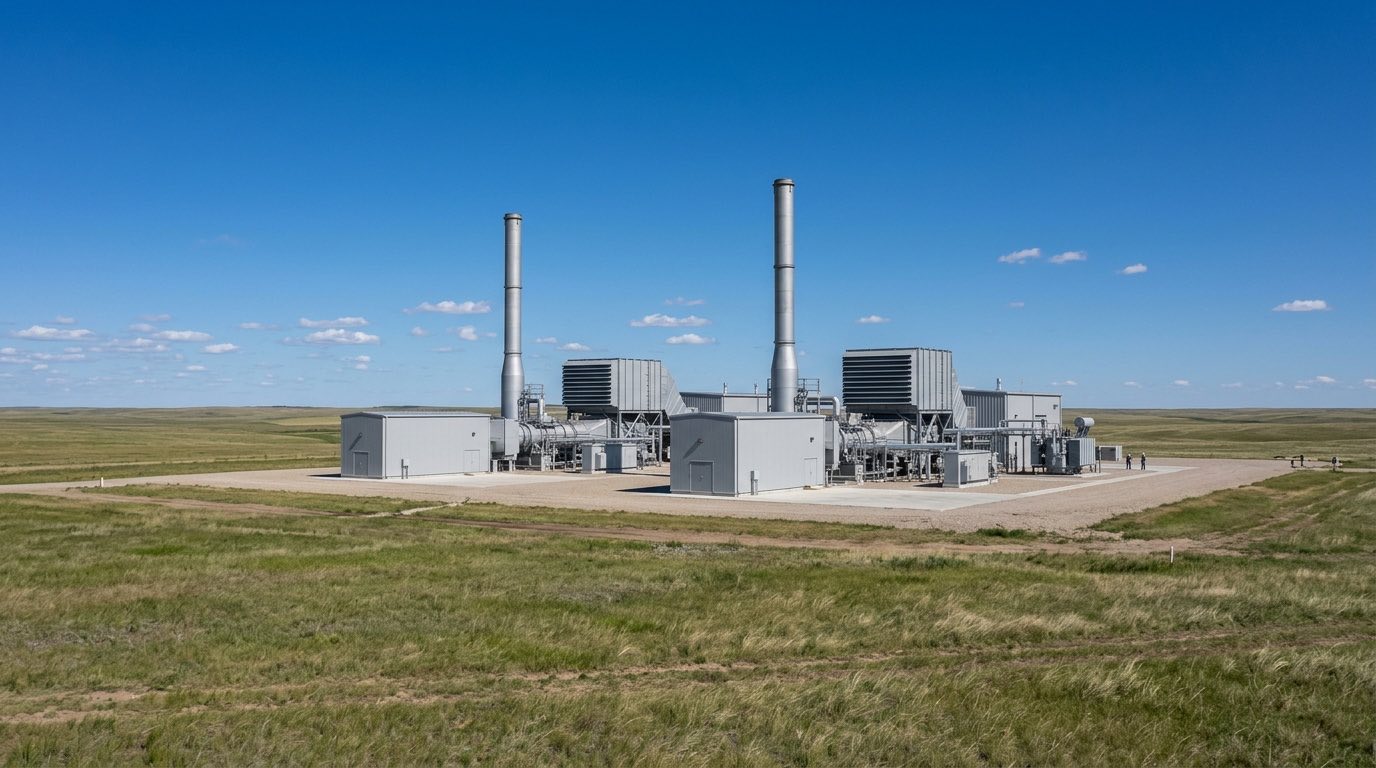
What Comes Off
Specifically, the rule says, it repeals the emission guidelines for existing fossil fuel-fired steam generating units. It repeals the carbon capture based standards for coal-fired steam units undertaking a large modification. And it repeals the carbon capture based standards for new base load stationary combustion turbines, the phase 2 standards, in the rule's term.
Under the 2024 standards, a new base load turbine faced two components in two phases. The first was based on highly efficient generation. Compliance with it was required from the 2024 standards' effective date. The second was based on 90 percent carbon capture and storage, with compliance required on January 1, 2032. The final rule repeals that second component.
The EPA's Reasons for New Turbines
For new base load turbines, the EPA is finalizing that 90 percent carbon capture and storage has not been adequately demonstrated. It also finalizes that the costs are not reasonable. It also finds it unlikely that the infrastructure needed for carbon capture can be deployed by the January 1, 2032 compliance date. So it has determined that the phase 2 standards are not achievable.
The rule says the contrary determinations in the 2024 standards appear to be in error. Many of the same reasons apply as for existing coal-fired units, it says. For those coal units, it says, the capture, pipeline and sequestration infrastructure needed for that level of capture does not currently exist. It would need to be broadly deployed.
Where Data Centers Come In
Updated information and analysis of power sector trends, the rule says, indicate "a significantly different landscape moving forward." Demand growth across the United States is significantly higher than prior estimates.
The EPA cites the North American Electric Reliability Corporation's long-term assessments for that. Increasing amounts of large commercial and industrial loads are primarily driving a "nearly 2.6-fold increase" in projected growth rates for summer peak demand, the EPA says. It names in particular the loads related to data center demand for artificial intelligence (AI) applications.
Data centers come up again where the rule discusses coal. A number of coal-fired steam generating units are delaying or canceling their scheduled retirements, it says. They do so in light of increasing demand, changes in tax incentives, and Administration actions to support the continued operation of coal-fired capacity. Among the recent changes in the electricity market it names is increased electricity demand from data centers.
What Stays for New Turbines
The 2024 efficiency-based standards for new combustion turbines, the phase 1 standards, are not repealed or revised in this rule. Comments the EPA received suggested that those standards are not achievable. The EPA acknowledges the commenters' meritorious concerns. It keeps the standards in this final action.
A new base load turbine no longer faces the 2032 carbon capture step. The efficiency step stays, and its repeal is only proposed. Anyone planning a plant beside a campus is reading a rule that may change again.
The supplemental proposal was published at the same time as the final rule. It seeks more public comment on a question. Does the EPA lack statutory authority to regulate greenhouse gas emissions from fossil fuel-fired power plants under section 111 of the Clean Air Act? If finalized as proposed, the EPA says, that action would repeal all greenhouse gas standards for the fossil fuel-fired electric generating unit source category. That would include the efficiency-based standards for new turbines.
Sources
- U.S. Environmental Protection Agency (EPA). Partial Repeal of the Carbon Pollution Standards for Fossil Fuel-Fired Electric Generating Units (final rule, 91 FR 58954). 17 September 2026 (published in the Federal Register; effective November 16, 2026). regulator