ERCOT published a note in its Trending Topics series on June 1, 2026. It explains what a net-metering arrangement is. It explains how Texas Senate Bill 6 gives the Public Utility Commission of Texas stronger oversight of these arrangements. And it explains the Operations Messages that ERCOT's Control Room sends during periods of tight or potentially tight grid conditions. Parts of the note follow, not the whole.
Net-Metering Arrangements and Lawmakers' Concerns
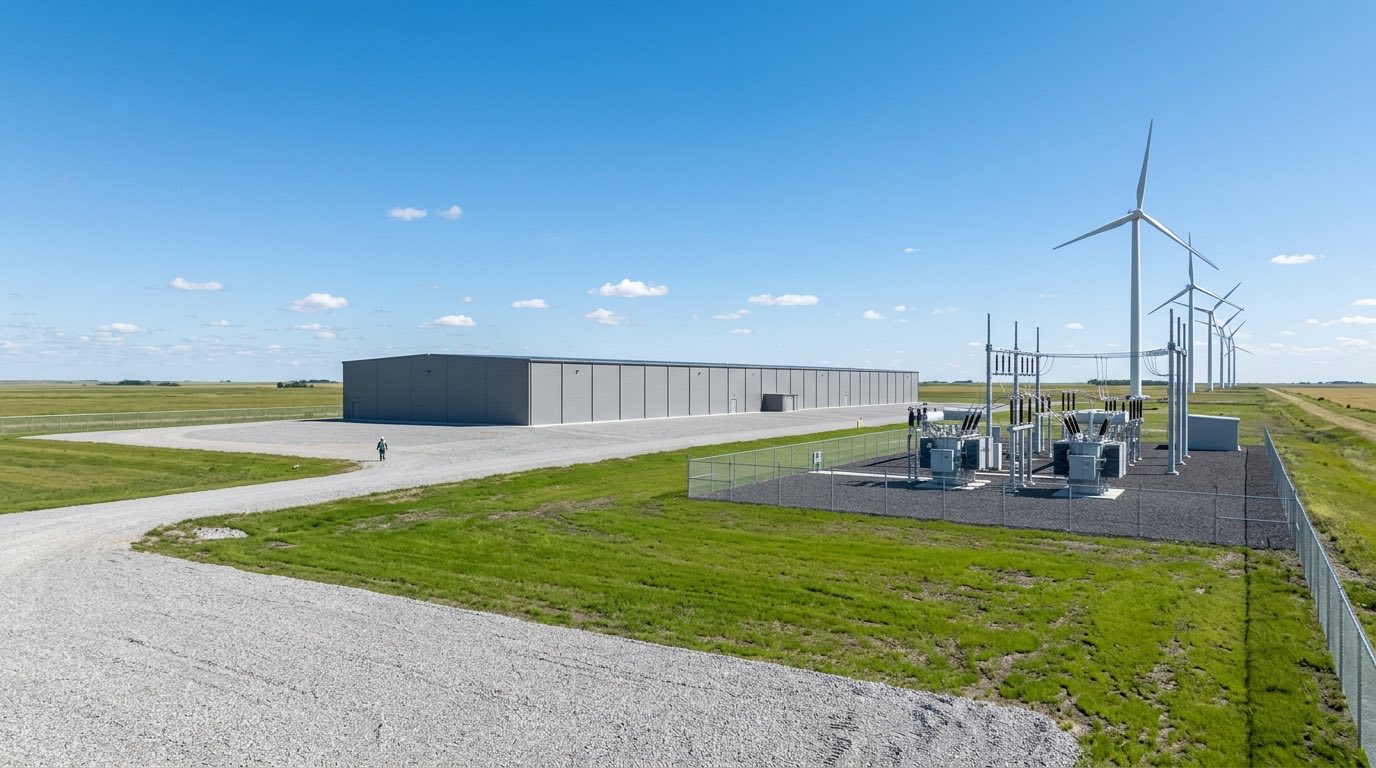
Data centers, cryptocurrency miners and large industrial customers are requesting to build in Texas in growing numbers, the note says. Some are exploring new ways to get electricity from the ERCOT grid. One is co-locating. That means building next to a new or existing power plant and drawing energy directly from it, behind the transmission point of interconnection.
ERCOT says this is also called a net-metering arrangement. The customer's consumption and the generator's output are netted against one another. That reduces the customer's metered electricity consumption from the grid.
These arrangements raised concerns among Texas lawmakers, the note says. When a co-located user draws power directly from a generator, that generation is "effectively removed" from the pool of resources available to serve all Texans. Lawmakers acted so that Texans would not lose access to power already available on the grid, it says. Any new arrangement shifting existing electricity away from the grid would go through a formal review.
Senate Bill 6
Senate Bill 6 was signed on June 20, 2025, and became effective immediately, the note says. It gives the commission and ERCOT stronger tools to manage the rapid growth of large electricity users, such as data centers. These are users of 75 MW of electricity or more that seek to co-locate with a generation facility connected to the grid before September 1, 2025.
Before such a user can enter into a net-metering arrangement with that kind of plant, ERCOT must conduct a technical review. The commission will make a final decision. It may deny the application, approve it, or approve it with conditions.
Under the law, the note says, the commission may require these conditions of approval. The power plant must return its full energy output to the grid upon ERCOT's instruction. The large load must temporarily scale back its electricity use, or switch to backup power, before an anticipated grid event.
The Status as of May 2026
As of May 2026, the note says, the commission had approved two co-location arrangements, with conditions. Three applications were pending its review.
In April 2026 the commission approved an arrangement between a 265 MW data center and a 265.5 MW wind farm in Armstrong County, Texas. In May 2026 it approved a separate arrangement between a 1,099 MW natural gas plant and a 760 MW data center in Freestone County, Texas.
As a condition of approval on both arrangements, the note says, the data centers must reduce their electricity use or switch to backup generation. The power plants must return their full power output to the grid. That must happen within 30 minutes of an ERCOT instruction.
The Control Room's Messages
ERCOT's Control Room sends Operations Messages to market participants when it anticipates tight grid conditions, such as hot summer days or a winter storm. With the law in effect and arrangements being approved with conditions, it will issue such messages, the note says. They give the facilities advance notice of any possible curtailments specific to these arrangements.
The public and media may see several messages in a short period, ERCOT says. They are for operational awareness and "NOT an indication of a grid emergency." Two or three messages in a short window reflect a single grid event moving through the sequence. These actions may allow ERCOT to avoid an emergency entirely, it says.
Message 1 is a preparedness notice. It tells the generators and loads in these arrangements, where they are subject to curtailment obligations the commission imposed, that grid conditions may require action. It asks them to be ready in the event conditions tighten. No load has been reduced and no instruction to act has been issued. On its own, ERCOT says, this notice does not mean the grid is under stress.
Message 2 is an action notice. If grid conditions require it, ERCOT instructs the large load to reduce its consumption or switch to backup generation. It instructs the plant to redirect its available output back to the grid. The generator and the load are required to comply within 30 minutes of receiving this instruction. ERCOT will post an Operations Message when it issues this instruction.
A data center that cannot cut its use in time needs backup ready to carry it.
Message 3 tells the generator and the load that they may resume normal operations. It comes once grid conditions have returned to an acceptable level.
Sources
- Electric Reliability Council of Texas (ERCOT). ERCOT Trending Topics: Grid Reliability, Data Centers, and Net-Metering Arrangements. 1 June 2026. grid operator