A data center in North Carolina will draw energy from temporary engines until it is connected to the power grid. The state's air regulator has permitted them.
North Carolina's Department of Environmental Quality said so in a news release of August 28, 2026. Its Division of Air Quality issued two air quality permits in Richmond County. One went to the company whose data center it is. The other went to an energy company. Both cap emissions, the release says. Both also include conditions to make sure that all federal air quality standards will be met. Parts of the release follow, not the whole.
Two Kinds of Engine
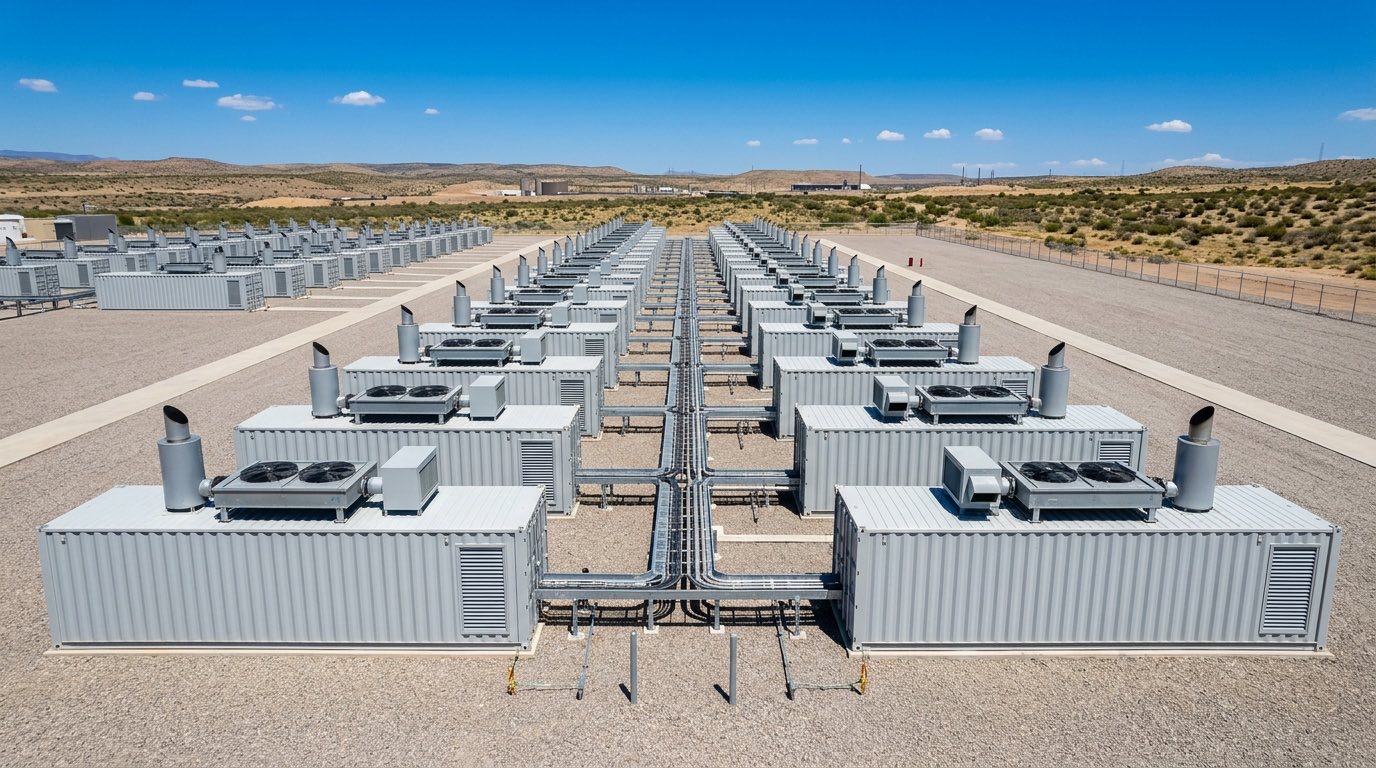
The data center's permit allows 588 emergency backup engines at its campus. These engines will run during power outages, the release says. They will also run in limited periods of maintenance, testing and activation.
The energy company's permit allows 57 temporary non-emergency "bridge power" engines. They will provide energy to the data center until it is connected to the power grid. The energy company is required to retire them within a year of starting operations.
Public comments raised concerns about issuing two separate permits. The two activities are not under the control of the same company, the release says. And the two permits serve different purposes on different time horizons. The data center's company controls the backup engines. The energy company controls the bridge power engines before the grid connection.
A combined permit could result in higher overall emissions, the release says. Under normal operation, the bridge power and the backup engines will not run at the same time.
The energy company must retire its engines within a year of starting operations. The release does not say what happens if the grid connection takes longer than that.
How the Permits Were Reviewed
The division held a joint public hearing and a 30-day comment period on the draft permits. After reviewing the comments, it says, it added requirements to the final permits.
The data center's permit clarifies fuel usage monitoring requirements. The energy company's permit requires more initial testing of the generators. It also requires that the bridge power be used only to power the data center. Both permits add recordkeeping and reporting requirements.
The division analyzed both projects using worst-case operating scenarios, the release says. It found that compliance with the applicable standards can be achieved. Actual emissions of the backup generators are expected to be far below those worst-case levels. The division also reviewed air dispersion modeling. It found that toxic air pollutants from each facility are not expected to violate health-based levels.
The department's secretary is quoted saying the division's statutory authority in reviewing these projects is limited. The division does not have authority to regulate siting, land use or electricity supply through the air quality permitting process, the release says.
Sources
- North Carolina Department of Environmental Quality, Division of Air Quality. NCDEQ's Division of Air Quality requires additional monitoring, testing in final air quality permits for Amazon data center and Duke Energy projects (news release). 28 August 2026. regulator