Revenue NSW has the power, in certain circumstances, to recover overdue debts, including unpaid fines, directly from the bank accounts of people who owe them, by issuing garnishee orders to their banks. The NSW Ombudsman's special report under section 31 of the Ombudsman Act 1974, dated April 30, 2024, is about the system it used to do that. Since 2016, the report says, that garnishee order system "has involved the use of technology that assists Revenue NSW to issue high volumes of garnishee orders on a daily basis." Parts of the report follow, not the whole.
The Ombudsman found that Revenue NSW's conduct in operating the system to recover fines debts from January 2016 to March 2019 "was contrary to law within the meaning of s 26 of the Ombudsman Act, as it did not comply with the Fines Act." In that period, the report says, there was no "human-on-top." Garnishee orders were issued "despite the fact that no authorised decision-maker was" forming the subjective evaluative judgment required before enforcement action is authorized to be taken, or making a decision to issue the order.
A Report That Shows Green
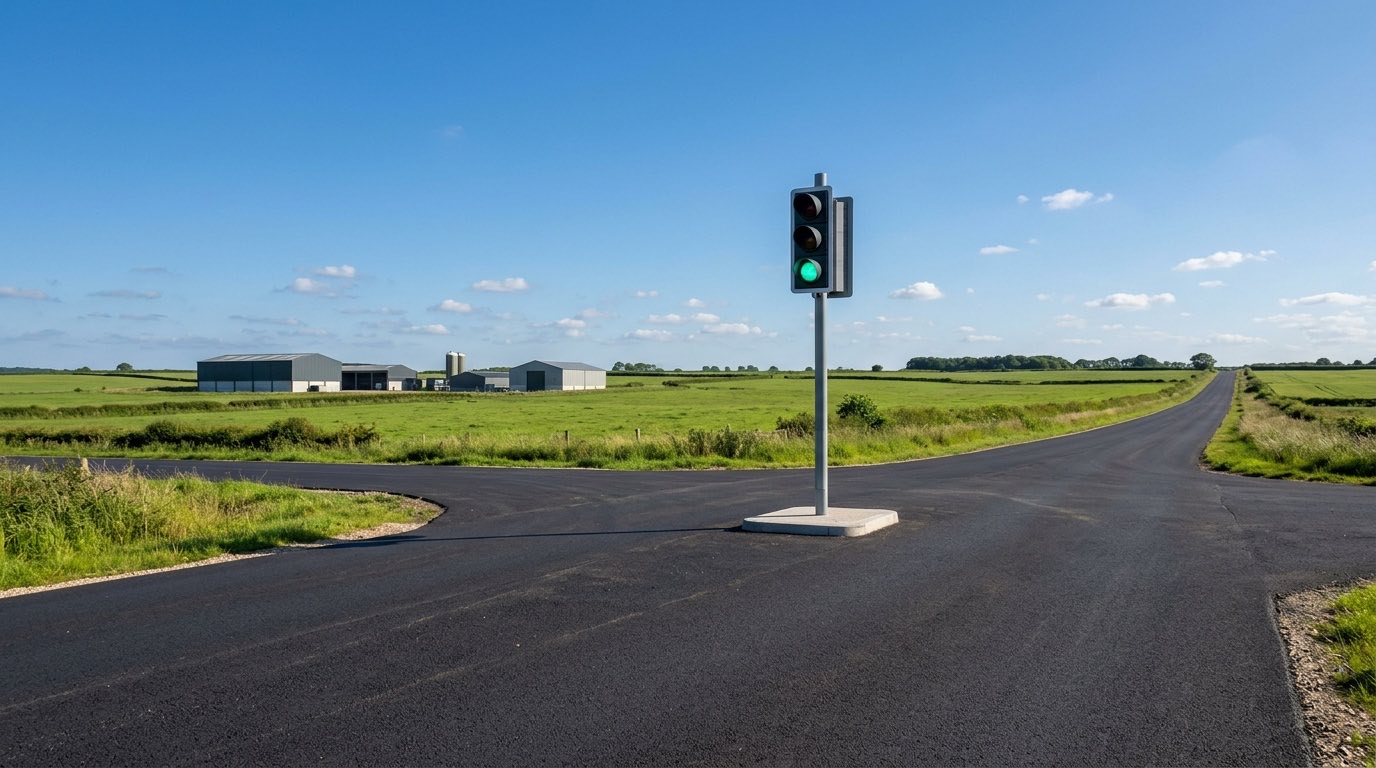
In March 2019, after the Ombudsman's office raised doubts about the legality of orders being issued "automatically," Revenue NSW introduced a process that required a human delegate to manually review an automated output known as the Garnishee Order Issue Check Summary Report before issuing garnishee orders. The Check Summary Report is "a single consolidated report for all the fine defaulters selected for a garnishee order," and on any day it will typically include thousands of names. It uses a traffic light system. If all the traffic lights are green, the delegated officer approves the garnishee orders, and the files are transmitted to the banks.
The lights are shown against inclusion criteria, the rules that must be met for an order to proceed, and exclusion criteria, the rules that would take a person off the list. But those criteria are already applied before the report is produced. So, the report says, "the traffic lights in the report should logically always show green, and in practice they almost always do." A red light can show, the report adds, "if there have been errors in coding of the business rules or an inconsistency between the criteria for the report for a particular fine defaulter listed in the report." That person would be removed from the list for manual file review, and the report would be run again.
Green, almost always.
All of the advices, the report says, agree that it would be impermissible for a decision-maker to give conclusive effect to the automated output, "without engaging in the necessary active intellectual process." In two of the opinions, counsel was concerned that the system from March 2019 did not require decision-makers to do more than give conclusive effect to these automated outputs. "If NSW Revenue (sic) officers merely give conclusive effect to the traffic lights, that is not a lawful exercise of the discretion conferred by s 73 of the Act."
After March 2019
For March 2019 to March 2022, the Ombudsman made no finding that the conduct was contrary to law. It found that conduct "wrong," because the system "was defective in that, even if it is possible that lawful decisions were being made, the GO system did not provide decision-makers with a clear and complete basis for those decisions, and did not clearly and fully record those decisions and evidence the decision-making process."
When the investigation began, Revenue NSW had suspended the system's use to recover unpaid fines. After it began, Revenue NSW obtained advice from the Solicitor General that the version of the system since May 2022 is compliant with the Fines Act, and the report says it is reasonable for Revenue NSW to rely on that advice in deciding whether to resume. The Solicitor General's opinion suggested amending the Check Summary Report, and the Ombudsman recommended that, if it has not done so already, Revenue NSW make clear in it that it excludes any case where an application for the debt to be written off, in whole or in part, is pending.
Sources
- NSW Ombudsman. Revenue NSW: The lawfulness of its garnishee order process (a special report under section 31 of the Ombudsman Act 1974). 30 April 2024. public inquiry