Capacity
-
Grid interconnection Connecting large loads
FERC Accepts PJM's Large Load Definition and Registry, and Rejects Its Other Proposed Tariff Revisions
FERC accepted PJM's definition of a Large Load and its Large Load Registry, effective October 12, 2026, and rejected PJM's remaining proposed tariff revisions, among them the Interim Resource Adequacy Service and the rules for Bring Your Own New Capacity.
-
Grid interconnection Grid constraints
PJM Says the Reprieve of the Milder Seasons Used for Maintenance Is Not What It Used to Be
In an article of October 15, 2026, PJM says the "once-dependable reprieve" of the milder seasons used for maintenance "is not what it used to be," in part because most of the new, rapidly growing demand is from data centers and other energy-intensive Large Load customers, whose consumption "does not fluctuate significantly with the weather."
-
Not Well Documented: Berkeley Lab's 2025 Update on United States Data Center Energy Use
Lawrence Berkeley National Laboratory's update of June 2026 estimates how much electricity data centers in the United States use, and could use by 2030. On how much of its grid connection a data center uses, it says the share "is not well documented."
-
Secured or in Advanced Stage: The Data Center Power Pipeline in Prologis's Results for the Third Quarter of 2026
Prologis's supplemental information for the third quarter of 2026 gives its data center power pipeline as "secured or in advanced stage." Its notes define each kind of power, and say of the second that "There is no guarantee that such capacity will become secured power."
-
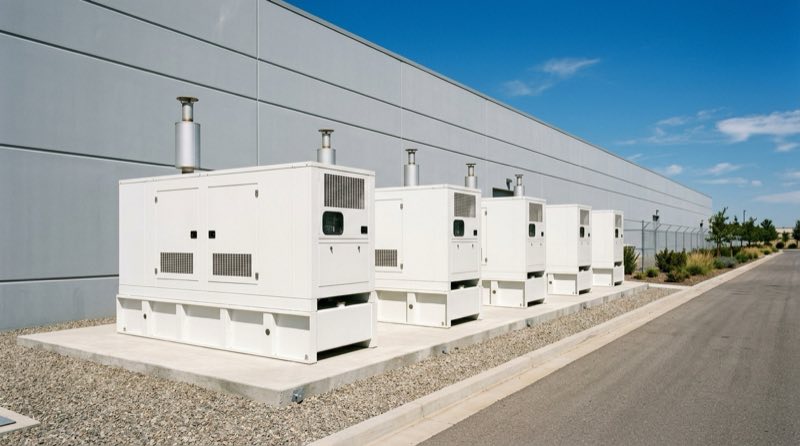
Backup Generation as a Last Resort: The Energy Department's Order No. 202-26-50 to PJM
The U.S. Department of Energy's Order No. 202-26-50 determines that a statutory emergency exists in the PJM region. It authorizes PJM to direct backup generation resources to operate as a last resort before declaring an EEA 3, or during one, and it says such a resource is not a capacity resource.
-
Rules and permits Rules and tariffs
Who Would Be Curtailed First: The Pennsylvania Commission's Proposal for Certain Large New Loads
On October 1, 2026, Pennsylvania's utility commission proposed that certain large new loads that have not secured sufficient new electric capacity be subject to curtailment before other customers when supply is tight. A formal comment period begins once the Tentative Order is published, and the commission anticipates considering a final order in January 2027.
-
Grid interconnection Connecting large loads
New Capacity, or Reduce When Called: PJM Answers the Protests
On September 23, PJM answered the comments and protests on its proposal for new large loads. In the answer's words, such a load, or the entity serving it, must arrange for new capacity. Absent that, it must reduce its energy demands when called upon during system emergencies.
-
Grid interconnection Grid constraints
Short of the Reliability Requirement: PJM's 2028/2029 Capacity Auction
PJM's capacity auction for the 2028/2029 Delivery Year cleared at the price cap, and the total capacity cleared is short of the reliability requirement. PJM's release says the shortfall was not unexpected.
-
Behind the meter Building and running the plant
Preliminary Default CONE Values: PJM's Periodic Review of the Cost of New Entry
PJM's slides of July 8, 2026 for its Market Implementation Committee give preliminary default values for the gross cost of new entry, by resource type.
-
Grid interconnection Connecting large loads
Bring Your Own New Generation, or Connect and Manage: PJM's Board Letter on Large Load Additions
On January 16, 2026, PJM's Board of Managers wrote to stakeholders with its decision on large load additions. The letter encourages what it calls voluntary Bring Your Own New Generation. Where a load serving entity identifies a shortfall of new generation against its forecasted load additions, it directs the development of a framework under which that demand would be subject to curtailment before pre-emergency demand response. It also directs staff to develop a proposal for a backstop capacity procurement.