A transformer shifts electric power from one voltage level to another. Together with the transmission lines that connect to them, the largest ones are the "backbone of the North American transmission system", in the words of a report from the U.S. Department of Energy, which calls them "essential components of the electric power transmission and distribution grid." The report went to Congress in July 2024 under the title "Large Power Transformer Resilience," and its stated primary objective concerns the time it now takes to get one. That wait, the report says, has "become exceptionally long."
The report sets out to "summarize the present and future industry needs with respect to mitigation of long LPT (not distribution transformers) acquisition lead times in the U.S." LPT is its short name for a large power transformer. The smaller distribution transformers are outside its scope.
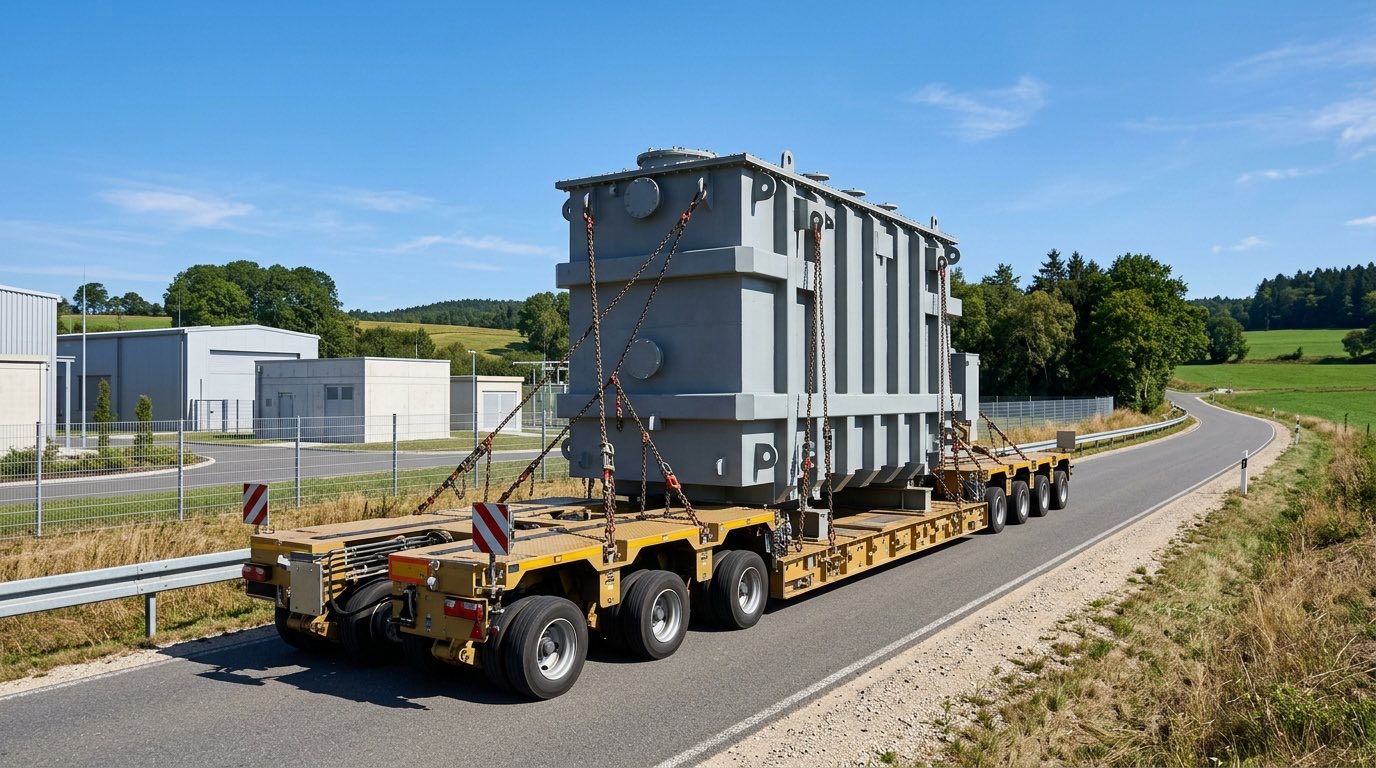
Big, heavy and made to order
A transformer counts as large in the report when it is "one that has a power rating of 100 MVA or greater." MVA is the unit the rating is given in. Units of that size "typically weigh between 150 and 400 tons," and the report says that weight leads to "unique logistical challenges."
Nor is one usually picked from a catalog. The report says LPTs are "usually custom-built to fit the specifications of their use case," and that the voltages they need are "specific to the installed location." Most are built for the place they will stand.
The wait
Before the COVID-19 pandemic, the report says, "it was possible to place an order for a large transformer with a lead time of less than a year." No longer. The obstacle it describes is recent, with "36-month lead times being commonly quoted and maximum lead times reaching as much as 60 months." For those figures the report cites interviews held in June 2023.
The report also lists what buying and building one involves. It typically includes "prequalification of manufacturers, a competitive bidding process, device design, manufacture, testing, and the arrangement of special modes of transportation for device delivery." More delay can come "if the ordering queue is backed up," or if the maker struggles to get "specialty steel laminations, specialty copper wire and other materials, or appropriately skilled labor."
The factory floor is a limit of its own. A plant has "a certain number of build slots," and each slot "can be used for an LPT, a smaller transformer, or a refurbishment of a transformer core." Capacity "cannot easily be expanded except by building a new facility." Smaller purchases, such as cranes or air pallets, "can only expand capacity marginally," the report says, though "at lower cost and quicker timeframe than facility expansions."
A large unit, a smaller transformer and the refurbishment of a transformer core all draw on the same slots.
Moving it
Once built, the unit has to travel. "Clearing a rail route for LPT transport can take over nine months," the report says. The cars are scarce as well. One car built for such loads is the Schnabel rail car, and the report says "Only about three of these specialized transport cars are available in North America."
Road is "much slower than rail transport." Barge is "the easiest method to move LPTs," the report says, "but available destinations are severely limited." Even the last stretch to the site is, in the report's words, "particularly expensive and challenging."
Spares, and what the report puts forward
Utilities hold spare units for emergencies, and the report relays what they say they hold. "With the assistance of EEI, utilities across the U.S. were asked to update their reported inventories of spare high voltage LPTs (345 kV and above). As of August 2023, the reported utility inventories of high voltage LPTs increased by over 10 percent compared to the comparable numbers reported in 2016." The figure is what the utilities reported.
In its conclusion the report lists actions that "can be considered," among them research into flexible systems "such as mobile transformers". One is headed "Prioritize Storage and Domestic Manufacturing." It says that "As the long lead times for LPT continue, efforts should focus on the storage and security of recovery transformers, encouraging domestic manufacturing of transformers, or expanding existing facilities," and that these actions "could be outcomes of discussions with industry to address the challenges of the business model, where LPTs are low volume products but have high impact and consequences when it comes to resilience."
The stored units in that list are recovery transformers, kept for a failure. A new order still meets the long lead times the report describes.
Sources
- U.S. Department of Energy. Large Power Transformer Resilience: Report to Congress. July 2024. energy agency