On November 20, 2025, Alphabet held what its hosts called a "Data Center Energy Strategy call," and posted the transcript on its own pages. The questions had been sent in ahead of time. The company's hosts said they would take "the most common questions that you shared with us," and read each one out to the company's global head of data center energy, who answered.
Parts of the transcript follow, not the whole.
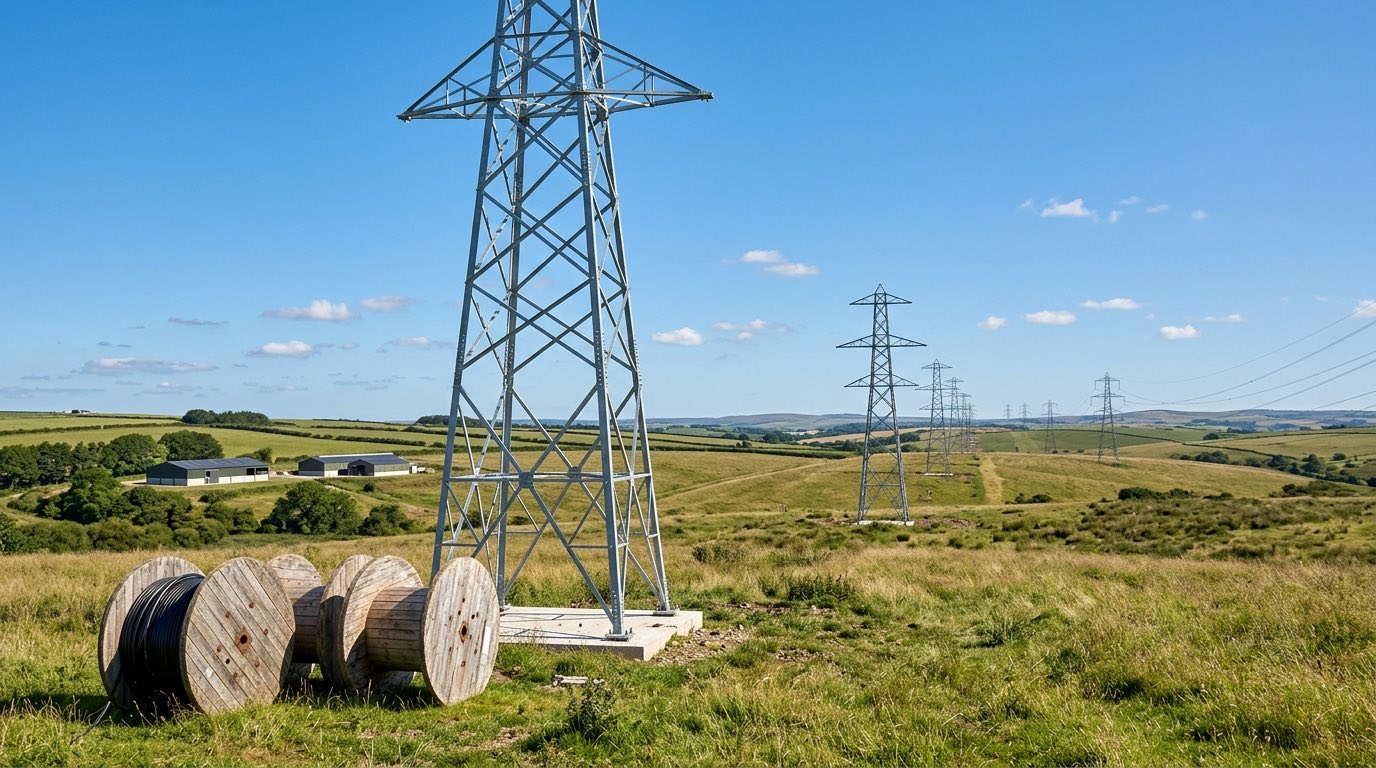
Power, Then the People to Connect It
One question asked about the most critical current bottlenecks in securing power for the company's own data centers over the next 3 to 5 years. "Is the primary constraint today power availability, or construction labor and trade resources?" it went on.
The first bottleneck the answer named was "access to power capacity." It put the cause in past underinvestment in building out the grids, combined with the demand growing now from what it called the electrification of everything, its own data centers included. The capacity, it said, could be "constrained either by the need for new transmission or the need for new generation." "In some cases, there's plenty of generation capacity, but there isn't enough room on the wires to deliver the power to where it's needed," the answer said. "You can even have both, in some cases, be the constraining factor."
Then the answer turned to labor. The bottleneck "for deploying compute capacity, as well as the build out of needed infrastructure, is the need for skilled labor required to build and connect that power," it said. "It's really a both/and."
Wires. Generation. Skilled labor.
A project that needs both the power and the people to connect it can wait on either one. A "both/and" leaves no single date to watch.
Who Pays for the New Infrastructure
Another question asked "how do you ensure that utility costs for consumers won't be higher as a result of these new data centers?"
The company, the answer said, works with utilities and regulators "to make sure that the cost of new infrastructure that is required to meet our growth is paid for by Google."
The answer gave Georgia as an example, where, in its words, the Public Service Commission and the local utility "have both credited large load customers like Google for their ability to freeze base rates for their customers over the next three years." It named a structure of its own, a Capacity Commitment Framework, which it said "empowers the utilities to make long term infrastructure investments with greater revenue certainty" and has been "adopted in 8 states."
The words "paid for by Google" are the company's own account of who pays, and they are the line a lender would hold it to.
The Grid First, Where It Can Be
Asked whether it wants to be "connected directly to the power, so behind the meter," or connected to the grid, or both, the company said there is "no one size fits all solution." It prefers the grid: "we prioritize grid connected load that is served by grid-connected generations." Further on, the answer says that "given significant transmission constraints on electricity grids across the country, this preferred model is not always an option to us."
Where the rules allow, the answer said, the company explores putting generation beside its data centers "while still building a path to ultimately interconnect these co-located power and data center assets to the grid."
Sources
- Alphabet Inc. (Investor Relations). Data Center Energy Strategy Call, transcript. 20 November 2025. company results call